
From Silver Screen to Star City: The Story of The Strand
History of The Strand Theatre (Nationally):
In the early 1910’s, the American film industry was still rough around the edges with nickelodeon's being the most advanced film experience at the time. That changed when Adolf Zukor, one of the driving forces behind modern day paramount pictures, introduced a bold new idea: Make films longer, give them a place to be shown, and elevate those featured films into a high-class experience. Zukor, believed film could compete with the leading forms of entertainment at the time, but only if the environment matched the ambition. His idea was instead of just distributing his films, Paramount should control where and how they were shown, essentially monopolizing the newly budding film industry. The idea took hold, and the project was named “The Strand”. In 1914, the first Strand Theater opened in New York City and marked the first ever large-scale luxury movie going experience!
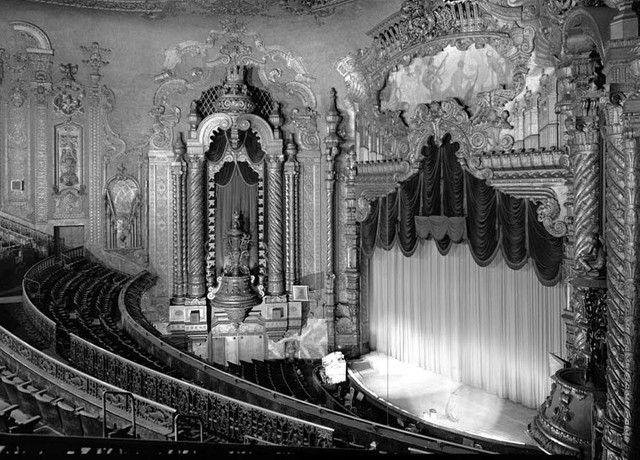
The inside of the New York Strand Theatre!
Source: Specht, Carrie. “First Movie ‘Palace’ Opened on This Day in 1914 in New York City.” Classic Film Fan, April 11, 2007.
The Expansion of The Strand:
After The Strand was made public it took over a large part of the control in the New York City Film District. The plan to own the feature films, the studios, and the theaters was very successful, and that leverage pushed The Strand into a household name that signaled quality and luxury. If a film was playing at a Strand theater, audiences expected: comfortable seating, live orchestral music, elegant architecture, and feature-length films instead of short reels like the nickelodeons prior. This was a complete rebranding of cinema, from lowbrow amusement to a cultural event and it was wildly successful. so much so that within the first year of its success, in 1915 theaters across America start coining the name and film strategy. By the 1940’s, an estimated 400+ Strand Theatres were opened across America trying to recreate the unique feeling that came with the name: including Boston, Baltimore, Albany, Providence, and several more. Though many held the name not all of them were owned outright by Paramount, but many were tied into its distribution network showing Paramount films and following similar standards of presentation. This created a loose but powerful system: A recognizable “brand” experience across distance and time.
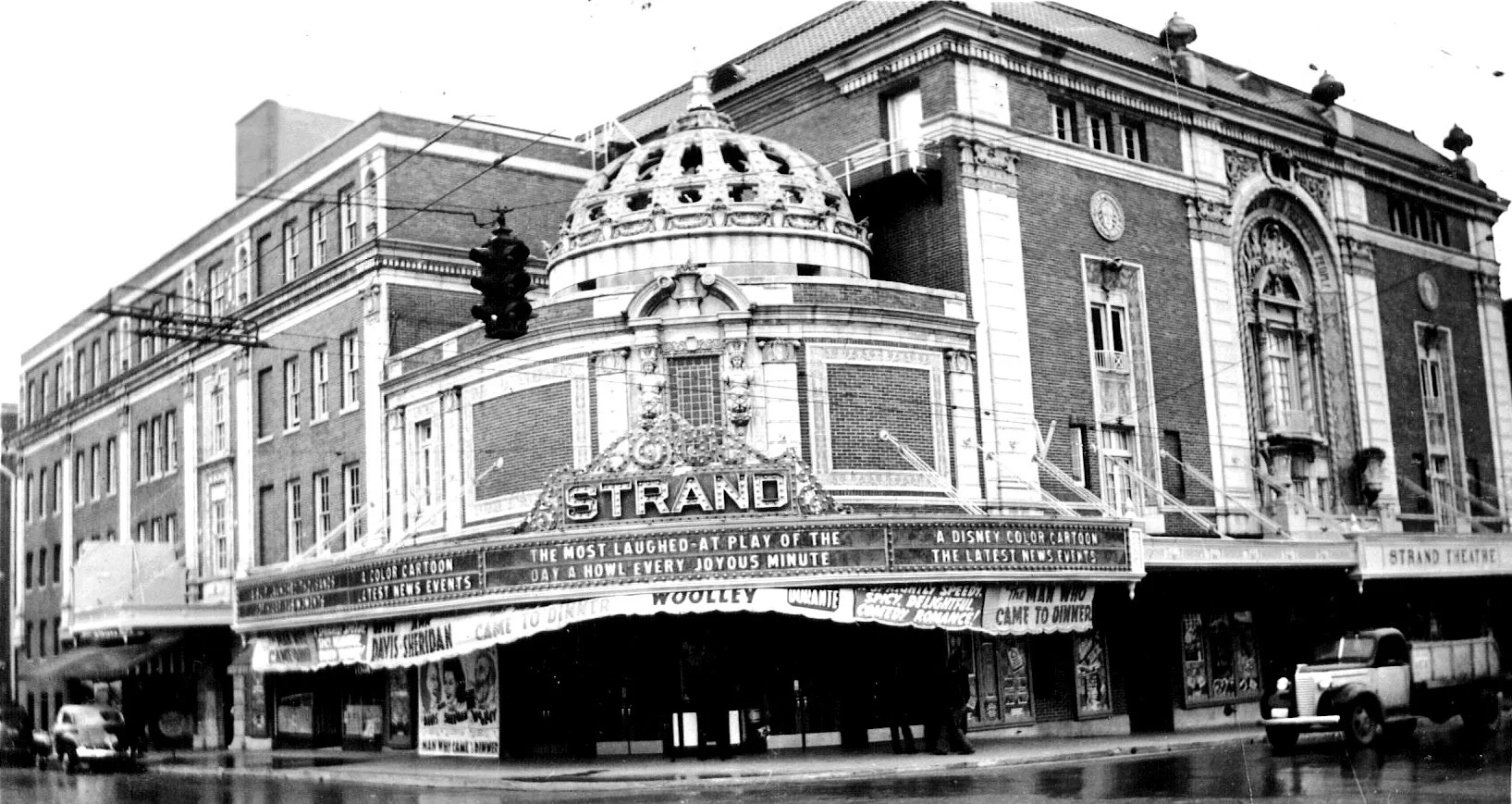
The Strand makes it to Louisiana! (1940)
Image credit: Neil Johnson Photography, The Strand Theatre (1940s). Published 2019, thestrandtheatre.com.
The National Significance:
The Strand model helped lay the groundwork for; The modern movie theater experience, the rise of “movie palaces” in the 1920s, and the idea of films as major cultural events. It also contributed to the expansion of film, especially to rural areas. This is important because some of the biggest shifts in film were made during this time, and now those messages were accessible in places never before imagined. This inevitably led to the dominance of major Hollywood studios, so much so that the system was challenged in court during the United States v. Paramount Pictures, Inc. (1948), which forced studios to separate from theater ownership. This means The Strand was now a cultural turning point. It marked the moment when movies stopped being a sideshow and became something bigger, but it also marked the separation between Studios and Theaters. This broke up a massive monopoly, and forever changed the past and future of content, entertainment, and influence. For the theater it meant selling out to independent owners, which for the first time ever opened up opportunities for smaller businesses.
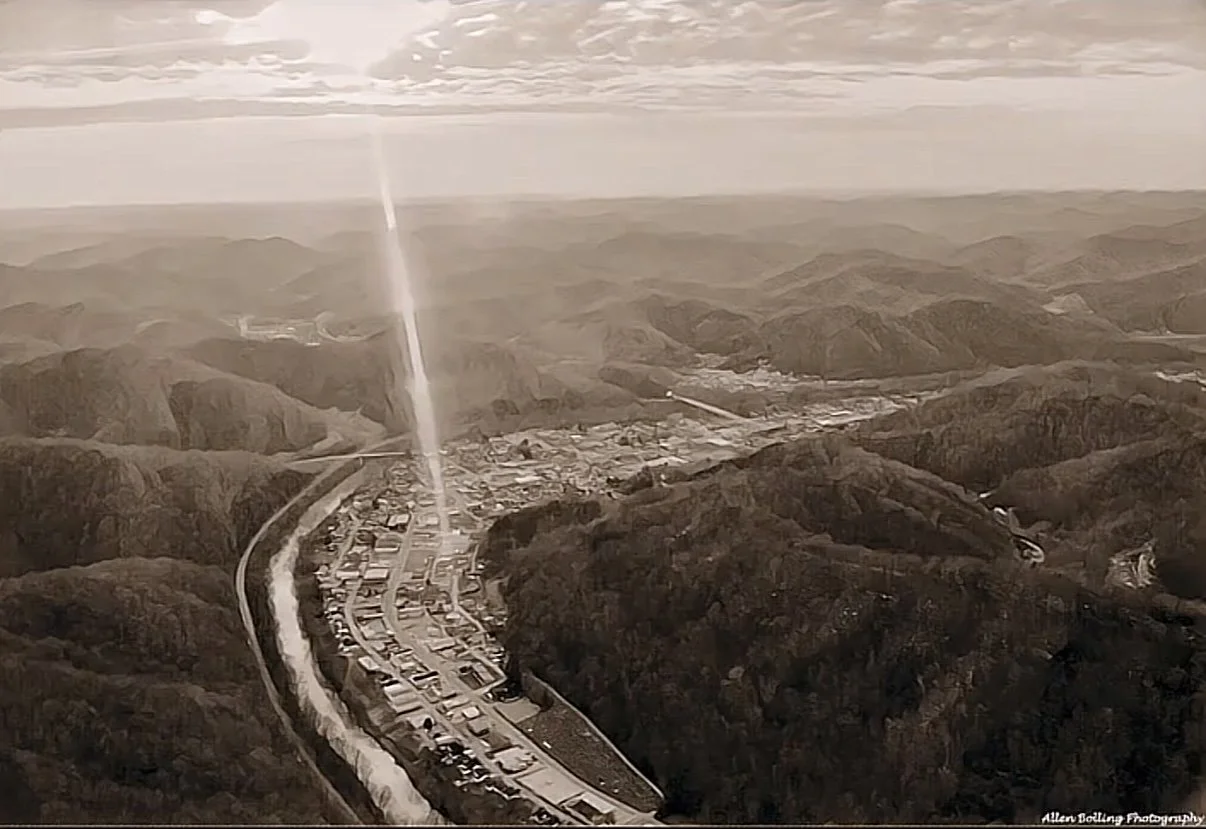
Downtown Prestonsburg, Ky
source: Allen Bolling Photography, Prestonsburg (@allenbolling)
History in Prestonsburg:
For locals, the Strand wasn’t just a business it was an experience that brought Hollywood to the mountains. In 1949, the Strand came to the Star City of Eastern Kentucky and ran through the same small families for generations. Popularity soared through 1950’s-1990’s, but by the early-21st century, the golden age of single-screen theaters began to fade, and the rise of television and modern multiplex cinemas pulled audiences away. Like many others across the country, the Strand Theatre in Prestonsburg eventually closed its doors in 2013, and for a time, the future of downtown Prestonsburg’s biggest cultural landmark was uncertain. People were upset at what was supposedly the end of a story and they tried to fight to reopen it, but it was unsuccessful. People gathered online to share stories about their memories, both bitter and sweet from all the dates, first kisses, and other core childhood memories the building had.
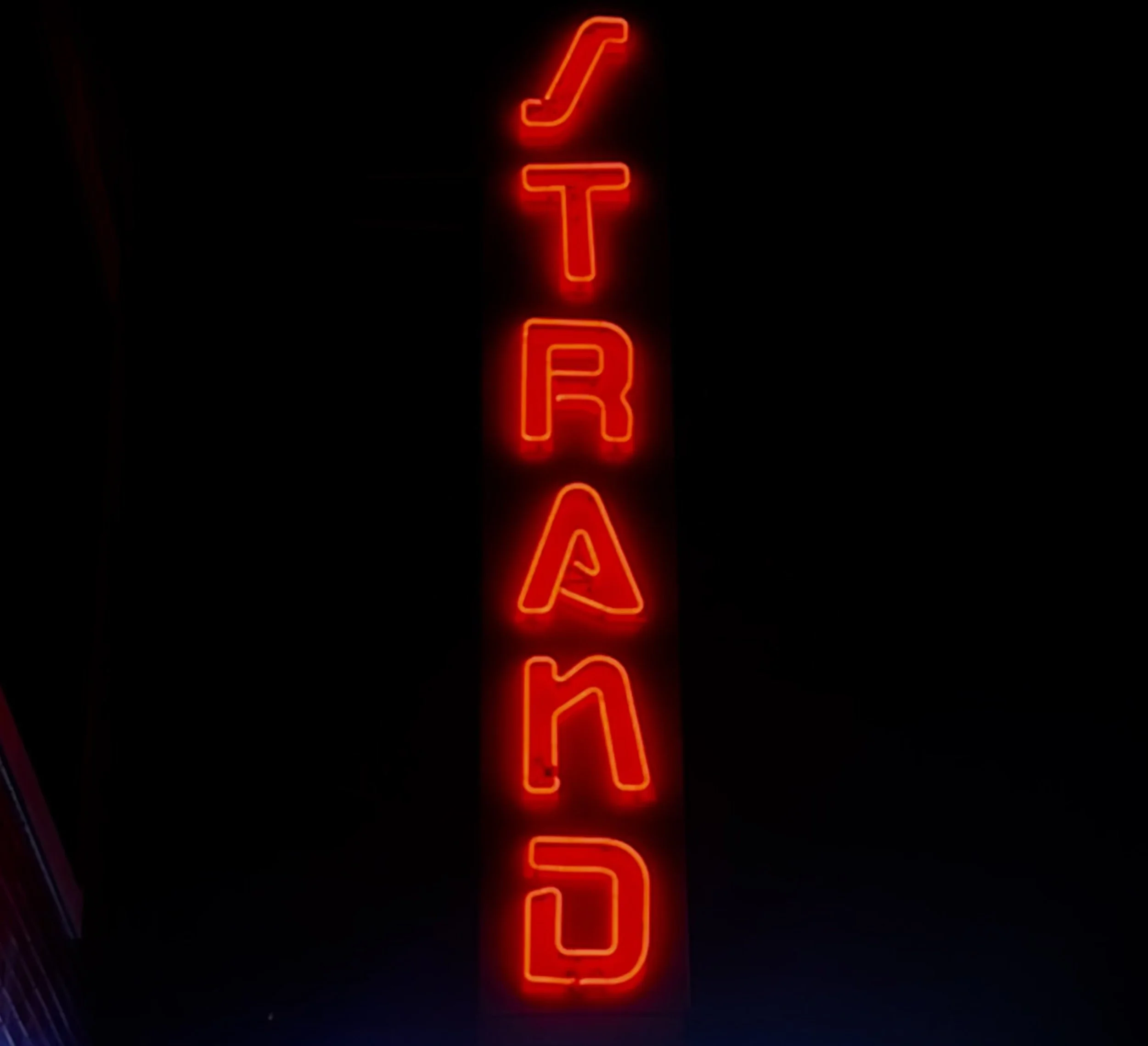
The Star City Strand lighting up Downtown Prestonsburg! (2025)
The Star City Strand Sign; MW, Downtown Pburg, (2025)
The Star City Strand:
As all seemed lost, The Strand found new life in 2023 because of Pat and Cindy Tallent. It didn’t take long to notice the work being done as trucks flooded the streets, signs were installed and lit, and walls were being painted and prepped for marquees. News quickly spread and left Prestonsburg curious as to what was coming next. Tallent’s vision has a beautiful harmony that added depth the surrounding culture. In its inception, The Strand was made to change film, culture, and standards in cinema, and now it is being used for all the same things in music. Beyond that, the newly named Star City Strand was a beautiful integration of the building and the history of Route 23. Prestonsburg is known as the Star City of Eastern Kentucky because of its proximity to a wide range of country, folk, and bluegrass artists; so essentially what Pat and Cindy Tallent have done was connect a historic and cultural landmark to the heartbeat of the city.
To learn more about the “Star City” and the connection to history and culture in the region- click to the next article!
