
The Star City of Eastern Kentucky: Making It Shine
The Source of the sound:
Nestled deep in the Appalachian Mountains lies a cultural link to the region. Prestonsburg, proudly known as the “Star City of Eastern Kentucky”, has a musical story that stretches back centuries. Long before The Star City Strand and recording studios, music here lived on front porches, in church pews, and in the voices of families passing songs down through generations. This is the story of how a small mountain town helped shape the sound of America.
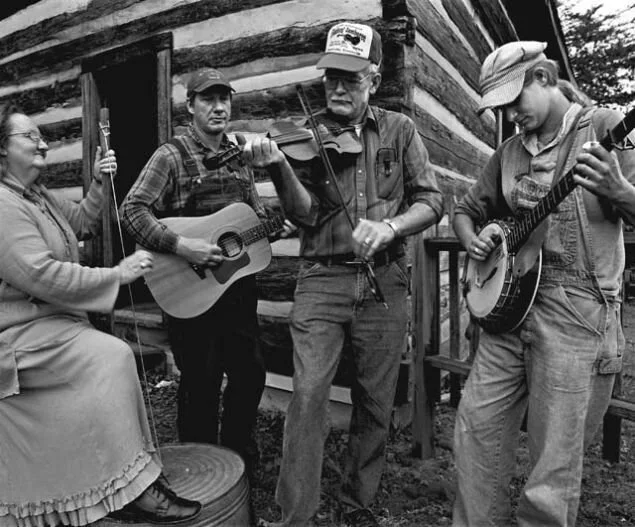
A vintage scene of “Old Time” Appalachian Mountain Music!
Source: “Pictures of Old Logging Camps” from America Music, shared by Gumbo Chaff on Pinterest
Appalachian Beginnings:
Before Prestonsburg was even founded, its musical roots were already taking hold in the surrounding hills. Early settlers brought traditions from their respective cultures and they merged. Scotland and Ireland brought fiddle tunes and ballads, England brought storytelling songs, West Africa brought banjo rhythms and musical phrasing, and the Native tribes of America brought symbolism. These influences blended into what we now recognize as Appalachian folk music ; raw, emotional, and deeply tied to real life. At this time music wasn’t something you went to see it was something you lived and experienced. Families gathered on porches, neighbors shared songs after long days, and stories were preserved through melody. Good examples of some cultural songs that are still present and popular today are “Tom Dooley”, “Omni Wise”, and “Pretty Polly”.
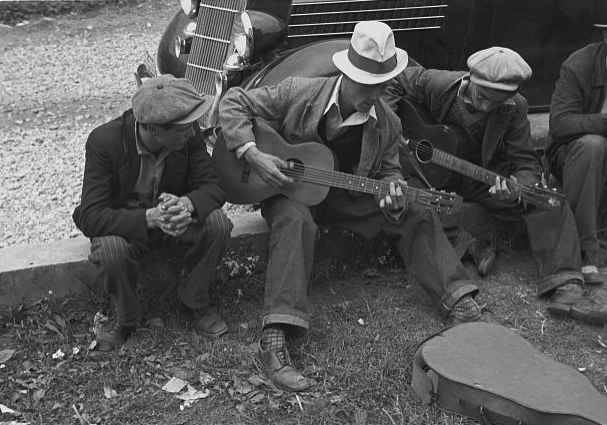
Appalachian Immigrants playing music together!
Source: “The Significance of Appalachian Music in American Culture” by Christine Greyson, Appalachia Bare, Dec. 8, 2022.
A Town Finds Its Voice:
When Prestonsburg was officially established in 1818, music became a cornerstone of community life. Churches played a major role, with gospel singing echoing through the hills. At the same time, families continued traditions of storytelling, expirementing and mixing new regional sounds, and simple instrumentation like banjo, dulcimer, and guitar. Because the region was relatively isolated, its music stayed authentic and unchanged, preserving a sound that had already begun to fade elsewhere. However, by early 20th century big economical changes started to shift Eastern Kentucky. Coal mining became a major business, and with it came new people, new ideas, new imagery and new sounds. With the expansion of coal came railroads, mines, and unions. This not only gave Appalachia the image it has today, but it also got it national exposure. At this same time, new immigration and life brought new influences introduced elements of blues, early country, and work songs. At the same time, radio began broadcasting Appalachian music far beyond the mountains. What had once been local was now being heard across the country. This era marked a turning point, which is now the beginnings of modern country music.
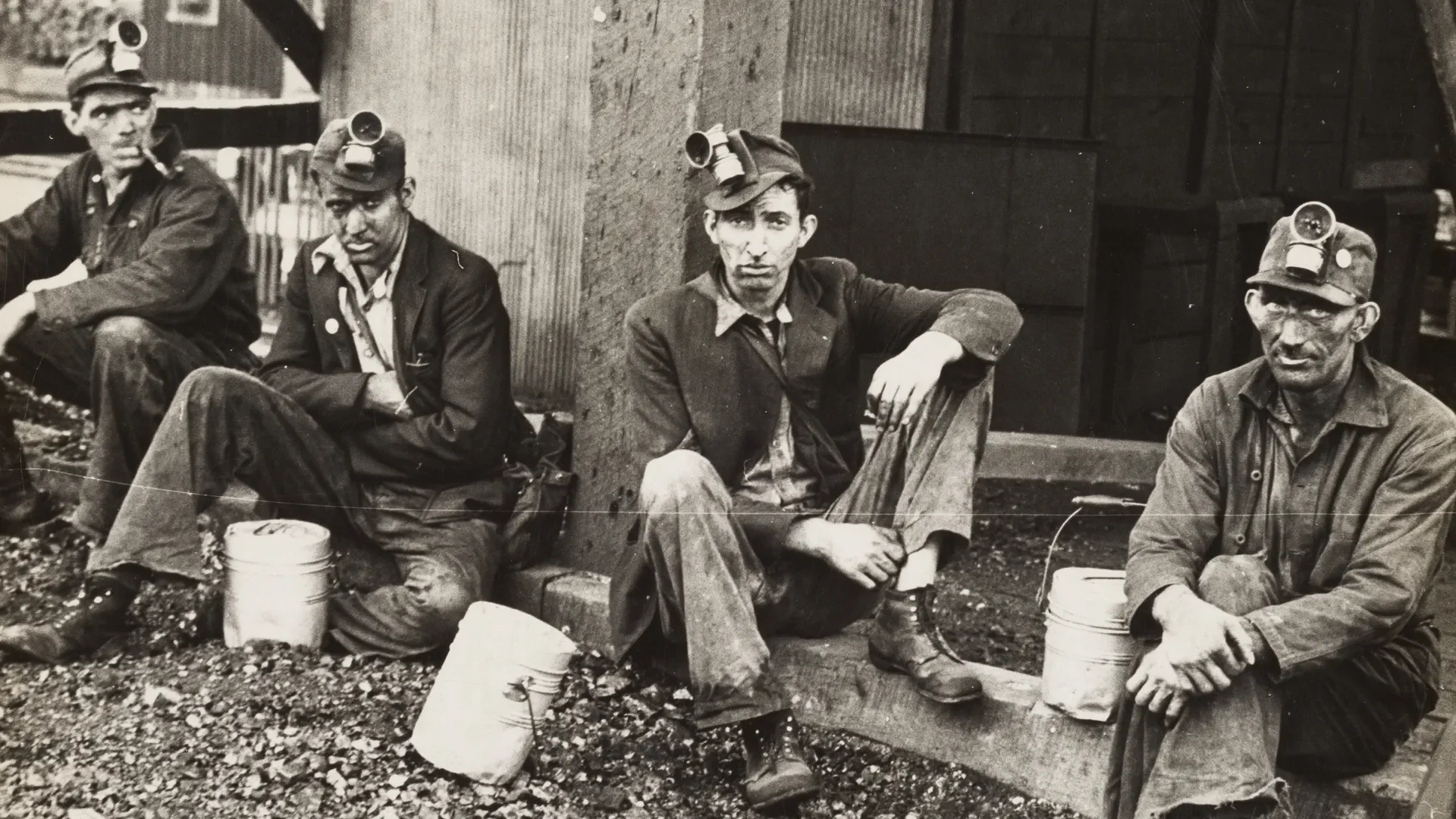
Coal Miners of Appalachia!
Source: “The Harsh Realities of Coal Mining in the Early 20th Century,” Britannica Kids (kids.britannica.com).
The Country Music Highway Era:
Running right through Prestonsburg is U.S. Route 23 famously known as the Country Music Highway. This stretch of road helped launch the careers of some of the biggest names in country music, including: Loretta Lynn, Ricky Skaggs, Keith Whitley, and Patty Loveless! Their music told stories rooted coal mining, hardship, love and loss, and they brought those stories to a national audience. With Bill Monroe’s newly founded bluegrass genre, Appalachian exposure was at an all-time high and Prestonsburg became part of something bigger; a pipeline that carried mountain music into the heart of American culture. By the late 20th century, Prestonsburg’s music scene had evolved into something more structured. Institutions like Jenny Wiley Theatre helped bring Appalachian music to larger audiences. These venues preserved tradition while also transforming music into a shared cultural experience for locals and visitors alike. In 1996, Prestonsburg took a major step forward with the opening of the Mountain Arts Center. The “MAC” quickly became the heart of the region’s music scene offering, live concerts featuring national artists, a home for the Kentucky Opry, a recording space, and several educational opportunities. However, Prestonsburg’s music story isn’t just history, because it’s still being written. Modern artists like Brit Taylor, blend traditional Appalachian influences with rock, folk, and Americana, creating a sound that feels both timeless and new.
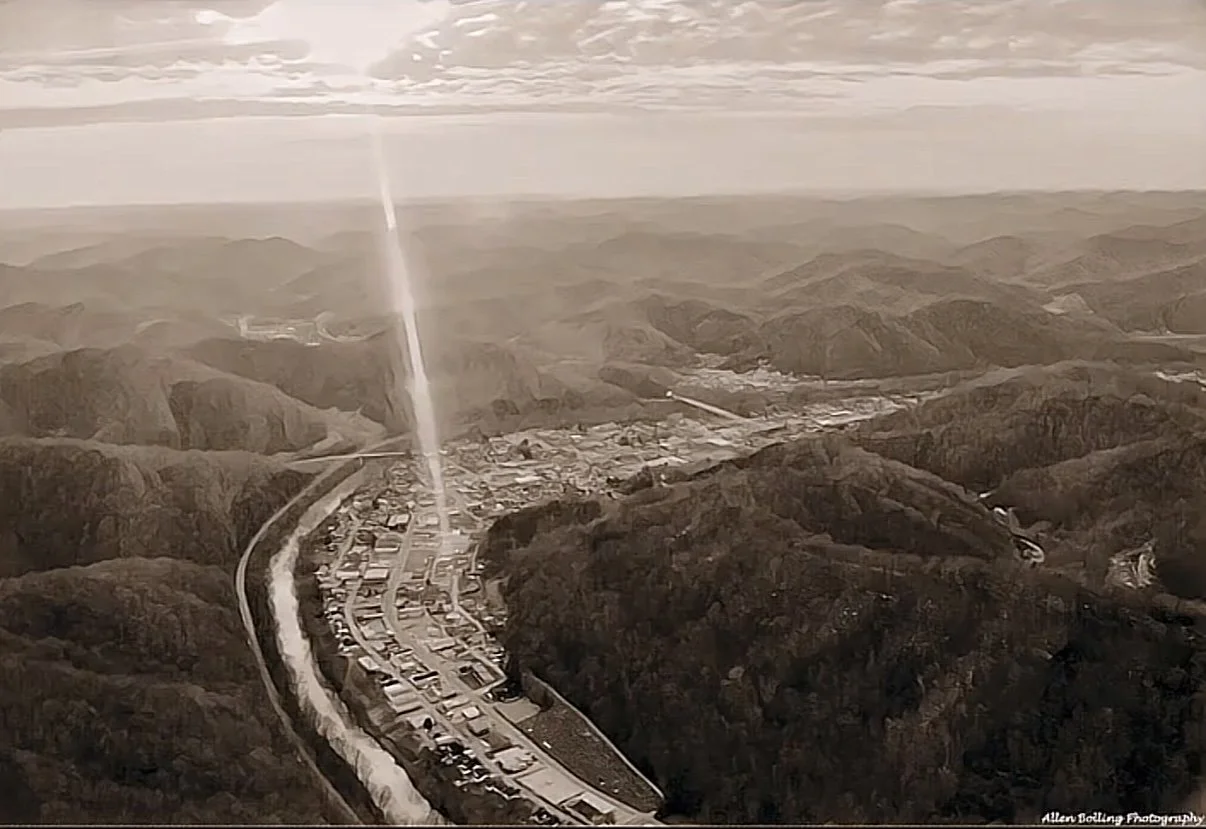
The City of Prestonsburg!
Source: Allen Bolling, Allen Bolling Photography
Why Prestonsburg Matters:
What makes Prestonsburg special isn’t just the music, it’s the connection behind it. For over 200 years, music here has been a way to tell stories, a reflection of everyday life, and a bridge between generations. From front porch picking to sold-out performances, the sound of Prestonsburg has never lost its roots. It began with simple instruments and powerful stories, grew through hardship and change, and helped shape the very foundation of American country music. Today, in the hills of Eastern Kentucky that music is still playing, and because “The Strand” was designed to preserve and promote that sound, it only felt right to honor the name by calling it “The Star City Strand”.
